Published 1.17.24 – By Clara Ferance
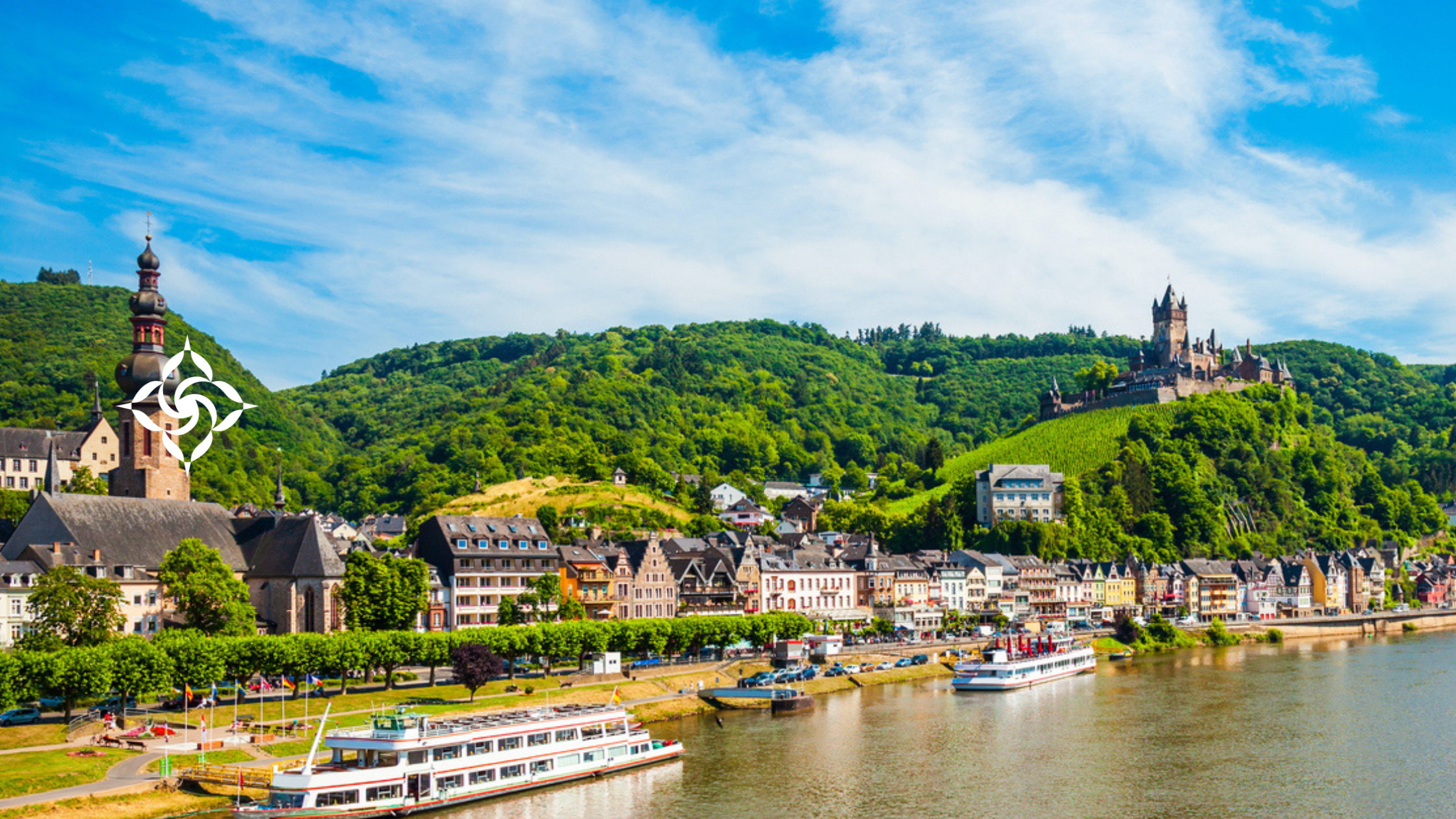
Many of the most popular European train trips, river cruises, and other vienna travel package options deprioritize the city of Vienna on the whole as compared to Paris, Zurich, Prague, or Amsterdam. Although it’s farther east, the City of Music is located right along the Danube, making for a perfect stop on your tour throughout the heart of Europe.
Austria was once the seat of the Holy Roman Empire and during the end of the 19th century it truly helped western music, literature, architecture, and arts flourish! For those seeking a classy vacation spot, Vienna in particular boasts world renowned museums and concert halls, elegant hotels, and of course, a robust café culture. Our resident blogger, Clara, recently went back to Austria to visit several friends, enjoy fresh pastries, explore castles, and share some highlights about her favorite place in the world!
Advice For First-Time Visitors
When you arrive in Vienna, you might have an overwhelming list of must-see museums, palaces, cafés, and more. Don’t try to pack it all in – the trick to enjoying Vienna Travel is to embrace the laid back European culture and take your time. Pick a few things on your list and prioritize them, especially if they’re important to your hobbies and interests. For example, I enjoy the arts, whether it be an opera, symphony concert, or a ballet performance. In the City of Music, there’s always something on!
- Staatsoper & Musikverein:
There are plenty of concert venues throughout the city, but these two are definitely a do-not-miss item. Purchase tickets to see a world renowned opera, hear the Vienna Symphony perform, or to simply take in the beauty of these stunning concert halls. For those who want to check it out but not necessarily commit to sticking around, both venues offer inexpensive “standing room” tickets!
- Schönbrunn Palace:
Touring this UNESCO World Heritage site is a must. For me, I prefer the palace’s imperial gardens, where you can enjoy scenic fountains, sculpted hedge mazes, and a breathtaking overlook of the city from the top of the hill (there’s also a café in the Gloriette at the top!) Although you can enter the gardens at any time free of charge, there is an entrance fee to tour the interior rooms of the baroque Hapsburg summer residence that is well worth the price. In the winter there’s a Christmas market right on the front plaza of Schönbrunn and a lovely Christmas light tour in the gardens that’s perfect for the whole family!
- The Ringstrasse:
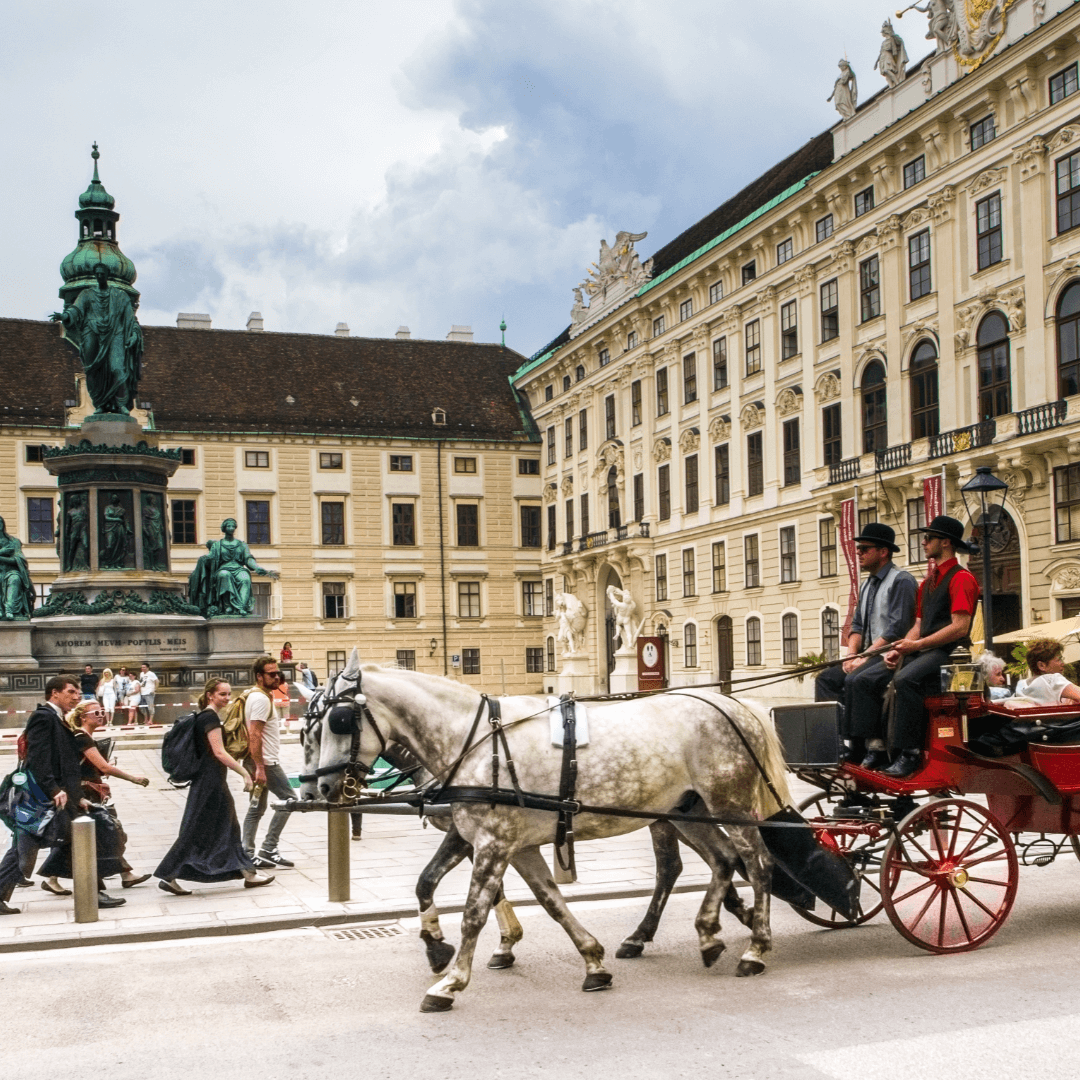
The city’s center is encircled by a ring-shaped street where most tourist sightseeing happens. From the State Opera House to beautiful parks to Parliament to the Rathaus (city hall), there are so many gorgeous, stately buildings along this route that are worth a stop. Luckily, there are plenty of tram tours that have knowledgeable guides as well as private horse-drawn carriage rides that charmingly clip-clop through the winding cobblestone streets.
- Museums:
There are dozens of museums to choose from, and with more limited time, it’s hard to decide which one is the most worthwhile for your trip. From personal experience, the Belvedere is incredibly impressive, since it’s also an entire palace in its own right. However, I highly recommend the Kunsthistorisches (art history) Museum, the Albertina (especially for the Impressionists), and the Royal Treasury Museum. If you enjoy modern art, the MuseumsQuartier offers more options in this genre.
- Heurigers & Cafes:
I love trying new foods every new place I travel! So it’s no surprise that I recommend going to a Heuriger, a traditional tavern that serves Austrian food. Think wienerschnitzel, goulasch, and local wines from the vineyards. Typically, these types of restaurants get busiest going into the fall season since it’s harvest time, producing the freshest wines and Sturm. Additionally, one of my favorite things to do is to find a good café in the city and sit. After all, the whole point of Viennese café culture is to relax! Order your coffee (maybe some Apfelstrudel) and spend a couple hours reading, peoplewatching, and resting from all that walking around.
What Is Truly Viennese?
Palaces & Churches:
When you first arrive in Vienna, you’ll notice the different areas of the city are numbered. The 1st district encompasses the Innere Stadt, or “inner city,” where most of the touristy activities are happening. That’s because it’s full of famous cathedrals, the imperial Hapsburg palace, and other architectural marvels. It’s home to some of the most classic, luxurious accommodations, such as Hotel Sacher, Hotel Imperial, or the Palais Coburg Residenz. Austria is also a majority Catholic country, hence all the stunning churches scattered throughout the city and the fact that all stores are closed on Sundays.
Coffee, Cakes, & Pastries:
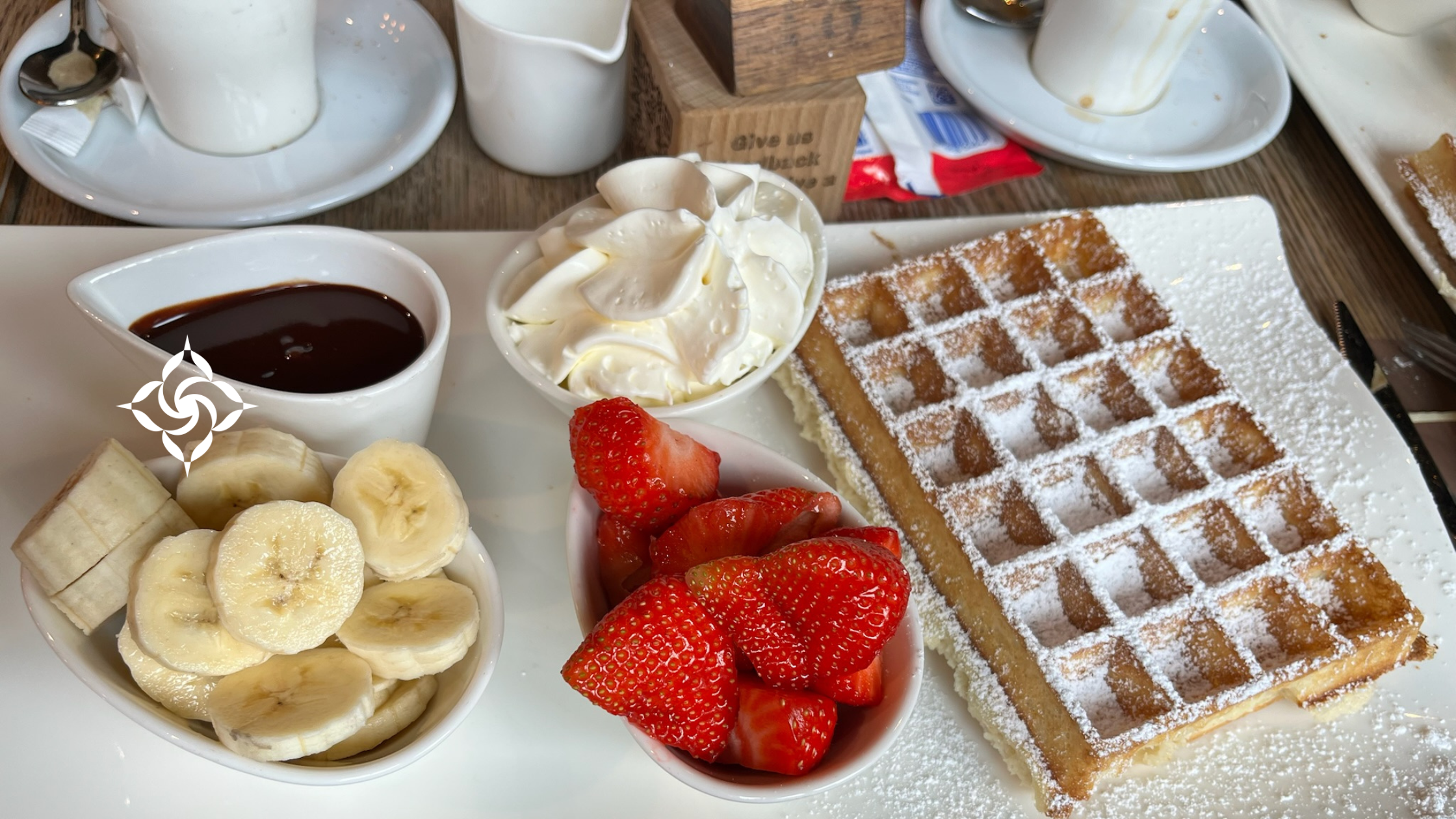
Speaking of Sacher, their claim to fame is their Sacher torte, a fluffy chocolate cake with layers of apricot jam. Out of all the Austrian cakes and pastries to try, it’s a Viennese classic – although you can buy excellent Sacher torte at any local café! I recommend skipping the lines at tourist spots like Hotel Sacher, Café Demel, or Café Central – they can sometimes be hours – and go instead to a lesser known spot like Café Frauenhuber or Café Palmenhaus. There you can properly experience the quiet, sophisticated atmosphere of a Viennese café, and order a traditional Austrian melangé. Plus, taste your choice of a variety of cakes, strudels, or homemade pastries during Vienna travel. My personal favorite has to be Mohnstrudel, a sweet poppy seed roll.
Hofreitschule:
For those that enjoy everything to do with horses, it may surprise you to know that Vienna is home to the Spanish Riding School, where you can witness pure equestrian elegance by the highly-trained Lipizzaner stallions’ dressage performances at the Hofburg Imperial Palace.
Viennese Ball Season:
If you visit Vienna anytime January – March, you’ll have the opportunity to experience the magic of a Viennese ball, which typically takes place during the winter months. The opulent venues, elegant attendees, and traditional dances make these events truly a unique Viennese tradition. These glamorous events are often held in palaces or historic buildings, where attendees waltz the night away decked out in their most formal attire! The Vienna Opera Ball is the most famous, but there are numerous others, each with its own charm and atmosphere.
Christmas Markets:
During the holidays, with all the Christmas markets opening and twinkling white lights decorating the entire city center, it’s a magical time for Vienna travel, despite the cold. The city’s squares and plazas transform into winter wonderlands with beautifully decorated stalls offering handcrafted gifts, seasonal treats, and of course, glühwein! The Rathausplatz Christkindlmarkt is spectacular to behold, but I recommend the Spittelberg Christkindlmarkt for a more quaint, less crowded option to enjoy the festive atmosphere and holiday spirit.
Vienna Travel In Any Season
One of the best parts about Vienna travel is that no matter what time of year you plan to visit, there are so many activities for each season! This past trip I may have visited Austria in the winter, which is perfect for skiing and touring Christmas markets, but the country has so much to offer all year round.
Spring is a great time to consider a private cruise along the Danube River as the weather continues to get warmer, so you can enjoy the sunshine while sipping champagne and taking in the blossoming scenery. With fresher produce at the Naschmarkt and blooming roses In the Volksgarten, all of Vienna’s parks will start becoming green again, just in time for the annual arts festival.
Once the summer starts, people are outside picnicking, hiking in the Vienna Woods,
swimming in the Danube, or just meeting with friends to enjoy a Radler on a warm summer evening. For tourists and residents alike, there are so many outdoor activities – concerts and festivals, private hot air balloon rides, taking the kids to Prater amusement park, and so much more!
Even as the weather cools off in the fall, Vienna is bustling with activity. September is actually an ideal month to visit Austria, in my opinion. The harvest season is hands down the best time to taste local wines (Riesling for me, please), enjoy the vibrant foliage, and attend Oktoberfest celebrations that take place just before the start of a new school year.
From impressive palaces to delightful coffeehouses, Vienna is a blend of history, art, and all the cultural richness of Europe that ensures there’s something for everyone.
Contact us today to start planning your next European adventure!