by Katie Kinzy
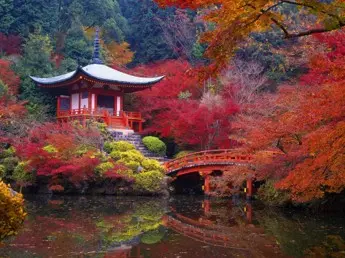
The cooler temperatures of fall are a good reminder that this is one of the most beautiful times of year to visit Japan. After the heat and humidity of summer, fall brings more comfortable temperatures for exploring Japan’s cities, temples and gardens, along with fiery red maples, golden ginkgo trees and crisp autumn days. If Japan is on your list for next year, now is the time to start planning the perfect fall trip.
Japan is one of my favorite destinations to recommend, especially for first-time Asia travelers. It is incredibly safe, clean and welcoming, with fantastic food, beautiful scenery and a fascinating mix of centuries-old traditions and cutting-edge modern life. It is also a destination that can be deceptively difficult to plan well.
Japan Looks Easy Until You Start Planning
At first glance, Japan seems like it should be simple. The trains are famously efficient, the cities are well connected, the tourism infrastructure is excellent and there is an enormous amount of information available online.
But that’s also part of the problem. There are so many choices.
Tokyo alone is enormous, with dozens of neighborhoods that can feel like completely different cities. Kyoto has an overwhelming number of temples, gardens, markets and cultural experiences to choose from. And then there is the question of where else to go. Hakone? Kanazawa? Takayama? Hiroshima? The Japanese Alps? An onsen town? A smaller village or countryside stay?
Trying to decide what to include, and just as importantly, what to leave out, can become one of the hardest parts of planning a trip to Japan.
Hotels Require More Thought Than You Might Expect
Japan has extraordinary hotels, from sleek luxury properties in Tokyo to intimate ryokans that have been welcoming guests for generations. Hotel rooms in Japan are often smaller than in the US, sometimes with limited space for luggage. Twin rooms also typically have two smaller beds rather than two queens, as is standard in the US.
Ryokans add another layer. Meals may be included, dining times can be fixed, bedding may be traditional futons, and onsen etiquette and bathing arrangements vary from property to property. Choosing the right one is about much more than simply finding a highly rated hotel.
Location also matters. In cities like Tokyo and Kyoto, staying in the right neighborhood can save significant travel time and completely change the feel of your stay. One hotel might put you steps from restaurants, shops and nightlife, while another offers quiet streets, historic surroundings or easier access to temples and cultural sights. Two beautiful hotels at similar price points can provide very different experiences depending on what you want from your trip.
Transportation Is Amazing, but Not Always Intuitive
Japan’s rail system is one of the best in the world, but that doesn’t necessarily mean it is easy for a first-time visitor to understand.
There are Shinkansen bullet trains, limited express trains, local trains, subways and private railway companies. Different stations within the same city may serve completely different routes. Some trains require reservations, while others don’t.
A well-planned itinerary takes all of this into account before you arrive: which trains make sense, where reservations are advisable, how much connection time to allow and when luggage forwarding might make the trip significantly easier.
A Travel Advisor Helps Put the Pieces Together
A travel advisor isn’t simply booking hotels and trains. The real value is creating a trip where all of those pieces work together.
How many nights should you spend in Tokyo? Is Kyoto better at the beginning or end of the trip? Is that beautiful ryokan actually convenient for your route? Should you send your luggage ahead while you spend a night in a smaller town? Which experiences should be private, and where is exploring independently actually more enjoyable?
Good planning also means starting early enough to have choices. For popular spring cherry blossom and fall foliage dates, I recommend beginning the planning process nine to twelve months in advance. For other times of year, six to nine months ahead is generally a good place to start.
There isn’t one perfect Japan itinerary. The best trips are built around the traveler rather than fitting the traveler into a standard itinerary. With thoughtful planning and time to get the details just right, Japan becomes more than a list of places you’ve visited; it becomes a collection of moments, experiences and unexpected discoveries that stay with you long after you’ve returned home.
Is Japan on your bucket list? Connect with Katie to bring her expertise to your trip